
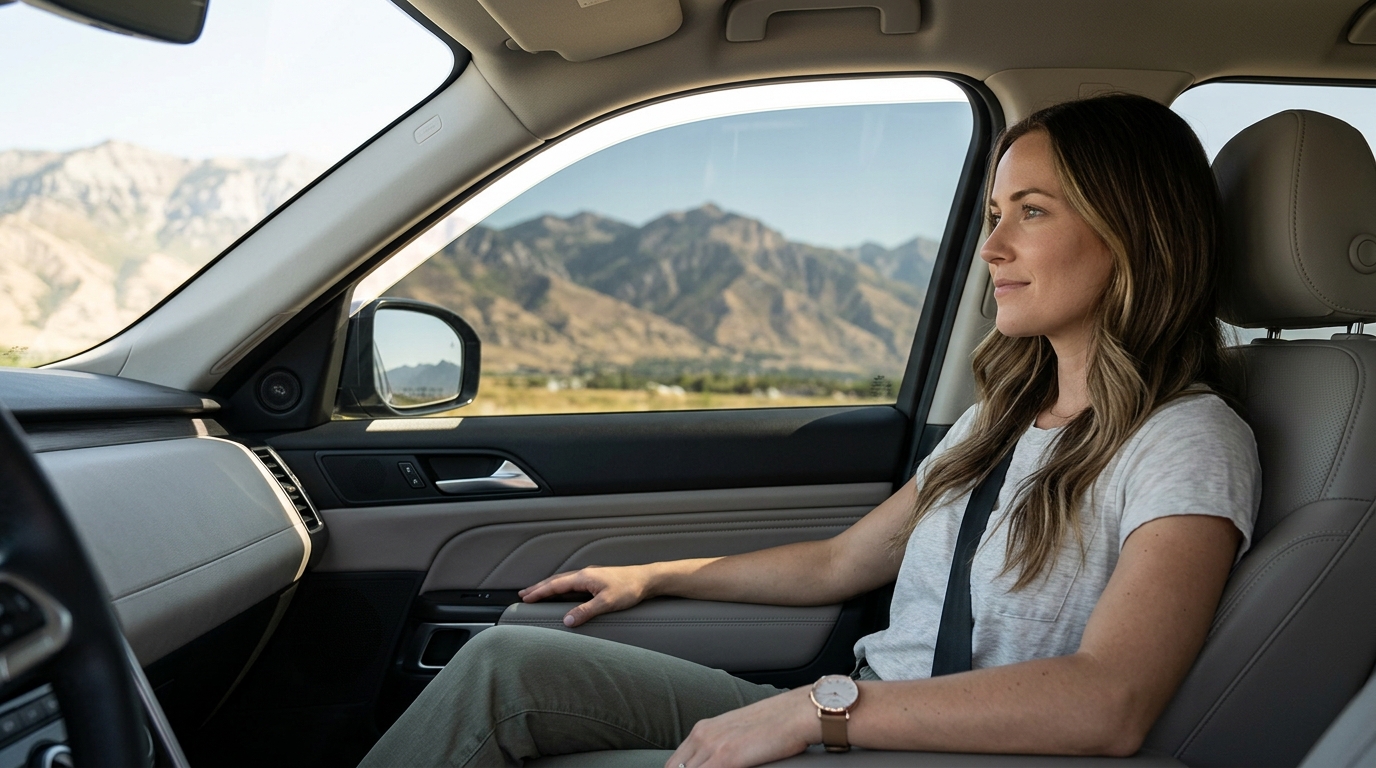
Utah County experiences extreme seasonal shifts, with summer temperatures frequently exceeding 100 degrees Fahrenheit and winter days offering minimal solar heat gain. This climate volatility makes professional window tinting not just an aesthetic choice, but a critical component of home and vehicle comfort. According to the U.S. Department of Energy, up to 30% of a building's cooling energy is lost through windows, highlighting the financial impact of improper glazing solutions. Many property owners and drivers in Lehi, Provo, and Orem make costly errors during the tinting process, leading to premature failure, legal issues, or ineffective performance. This guide details the most frequent pitfalls and provides the technical knowledge needed to ensure your investment lasts. (About Summit Wraps amp)
Understanding Utah Legal Compliance
The most immediate mistake drivers make is ignoring state-specific laws regarding Visible Light Transmission (VLT). Utah law strictly regulates how much light can pass through your vehicle's windows. For passenger vehicles, the law requires that the top 4 inches of the windshield remain untinted. All other windows must allow at least 25% of light to pass through. This means any tint darker than 25% VLT is illegal for standard passenger cars. (Car Wrap Cost Utah)
Many vehicle owners assume that "dark is better" for privacy and heat rejection. However, installing 5% or 10% tint on side windows in Utah County can result in significant fines and mandatory removal. The Department of Public Safety enforces these regulations to ensure driver visibility and safety. Before selecting a tint shade, always verify the current VLT requirements for your specific vehicle class. Summit Wraps & Graphics ensures every commercial and personal installation meets these strict legal standards, protecting you from liability. (Car Wraps Utah Vehicle)
For commercial fleets, the stakes are higher. A fleet of non-compliant vehicles can lead to operational delays and increased insurance premiums. Understanding the difference between "limousine" tint (which allows darker shades) and standard passenger tint is crucial. Do not guess your compliance level. Professional installers use precise VLT meters to verify that your tint meets the Utah State Code requirements accurately. (Car Wraps Utah Vehicle)
Choosing the Wrong Tint Material
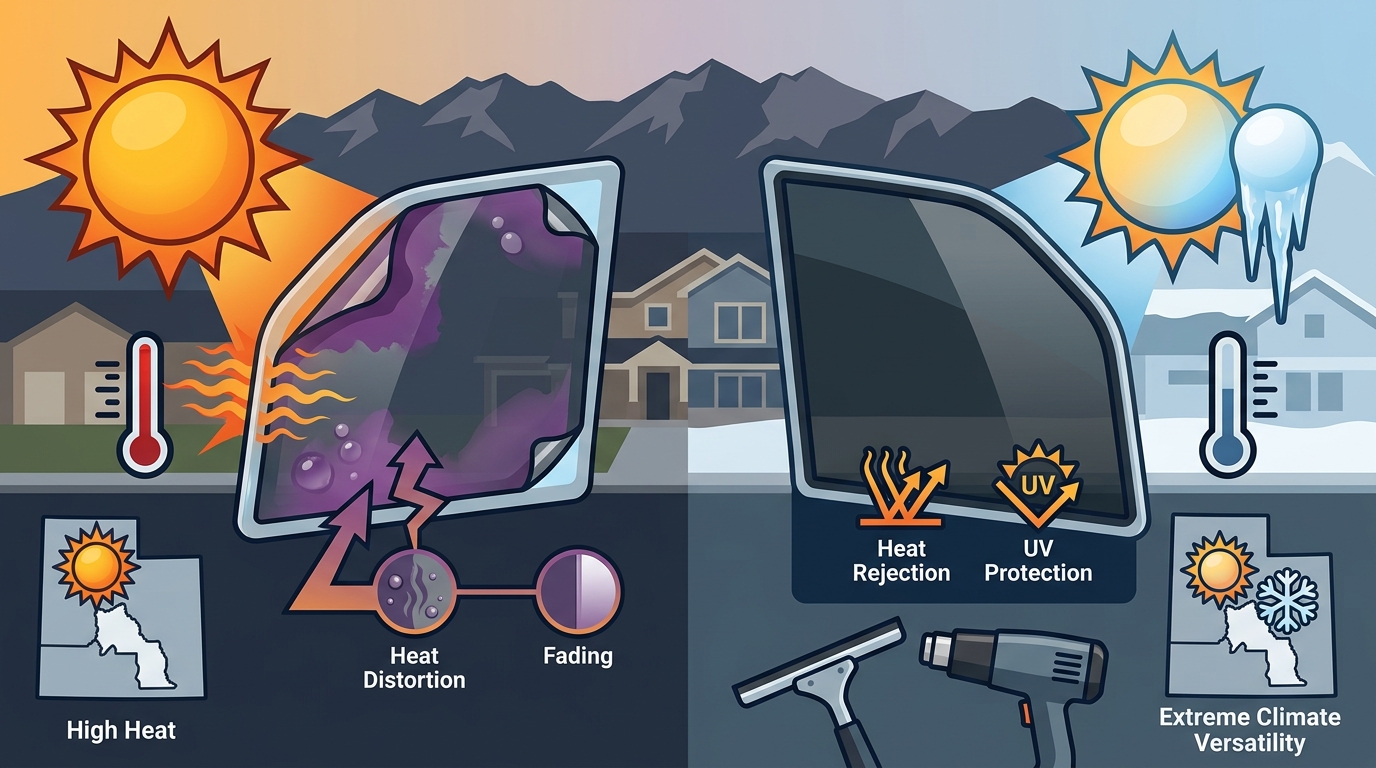
Not all window films are created equal. The second major mistake is selecting a low-quality dyed film based solely on price. Dyed tints absorb heat rather than reflecting it, which can cause the film to turn purple or bubble over time, especially under Utah's intense UV exposure. This degradation not only ruins the appearance but also reduces the film's effectiveness in blocking infrared radiation.
High-performance ceramic or carbon films are the superior choice for Utah County. These materials block up to 99% of harmful UV rays and reject significant amounts of infrared heat without interfering with electronic signals like GPS or cell service. According to the Environmental Protection Agency, UV radiation is a primary cause of skin damage and interior fading in vehicles and homes. Investing in premium materials ensures long-term durability and consistent performance.
Another common error is ignoring the warranty provided with the film. Cheap films often come with no warranty or limited coverage that excludes fading or bubbling. Premium films from brands like 3M or Avery Dennison typically offer lifetime warranties against manufacturing defects. Always ask your installer about the specific brand and warranty terms before committing to a purchase.
Installation Errors and Environmental Factors
Improper installation is the leading cause of tint failure. In Utah County, the dry climate and temperature fluctuations can exacerbate poor installation techniques. One critical error is failing to properly clean the glass surface. Dust, grease, or microscopic particles trapped between the glass and the film will create visible bubbles and imperfections that cannot be removed later.
Professional installers use a multi-step cleaning process involving squeegees and specialized solutions to ensure a perfectly clean surface. Additionally, the "shrinking" technique is vital for curved rear windows. If the installer does not properly heat-shrink the film to match the glass curvature, the edges will lift or peel within months. This is particularly common in older vehicles with complex window geometries.
Another environmental factor is the timing of the installation. Installing tint in extreme cold or high humidity can affect the adhesive's curing process. Summit Wraps & Graphics operates a climate-controlled facility in Lehi to ensure optimal conditions for every project. This attention to environmental detail prevents adhesion failures and ensures a seamless finish that lasts for years.
Post-Installation Care Mistakes
Even the best tint can fail if the owner neglects post-installation care. The most common mistake is rolling down car windows or cleaning the tinted surfaces too soon after installation. The adhesive requires time to cure fully, which can take anywhere from 3 to 14 days depending on the humidity and temperature. Rolling down windows during this period can cause the film to peel at the edges.
Another maintenance error is using ammonia-based cleaners on tinted windows. Ammonia breaks down the adhesive bond and can cause the film to discolor or bubble. Always use ammonia-free cleaning solutions specifically designed for tinted glass. For home window tint, regular cleaning with a soft cloth and mild soap is sufficient to maintain clarity and performance.
Ignoring minor bubbles or peeling edges is also a mistake. If you notice small bubbles shortly after installation, they may be water pockets that will evaporate over time. However, if you see peeling or discoloration after the curing period, contact your installer immediately. Early intervention can often save the film and prevent further damage to the glass.
Tint Material Comparison
Understanding the differences between tint types helps you make an informed decision. The table below compares the key features of common window tint materials available in Utah County.
| Material Type | Heat Rejection | UV Protection | Durability | Signal Interference |
|---|---|---|---|---|
| Dyed Film | Low | 99% | Low (Fades over time) | None |
| Carbon Film | Moderate | 99% | High (No fading) | None |
| Ceramic Film | High | 99% | Very High | None |
| Crystalline Film | Very High | 99% | Very High | None |
Key Takeaways
- Utah law requires at least 25% VLT for passenger vehicle side windows, with the top 4 inches of the windshield remaining untinted.
- Premium ceramic or carbon films offer superior heat rejection and UV protection compared to standard dyed films.
- Professional installation in a climate-controlled environment is essential to prevent adhesion failures in Utah's variable weather.
- Avoid ammonia-based cleaners to preserve the integrity of the tint adhesive and prevent discoloration.
- Allow 3 to 14 days for the tint adhesive to cure fully before rolling down windows or cleaning the glass.
- Summit Wraps & Graphics provides a 5-year installation warranty on all commercial and personal tint projects.
- Regular maintenance and proper cleaning extend the lifespan of window tint, protecting your interior and skin from UV damage.
Frequently Asked Questions
How long does window tint last in Utah County?
High-quality ceramic or carbon window tint can last 10 to 15 years or more. Lower-quality dyed films may fade or turn purple within 3 to 5 years due to UV exposure.
Is window tint legal in Utah?
Yes, but it must comply with state laws. Passenger vehicles must have at least 25% VLT on side windows, and the top 4 inches of the windshield must remain clear.
Can I install window tint myself?
While DIY kits are available, professional installation is recommended to avoid bubbles, peeling, and legal compliance issues. Professional installers have the tools and expertise to ensure a flawless finish.
Does window tint interfere with GPS or cell signals?
Standard dyed or carbon films do not interfere with signals. However, some metallic films can block GPS and cell signals. Ceramic films are non-metallic and do not cause interference.
How do I clean tinted windows?
Use a soft microfiber cloth and an ammonia-free glass cleaner. Avoid abrasive materials or harsh chemicals that can damage the tint adhesive.
What is the curing time for window tint?
Curing time varies based on humidity and temperature but typically takes 3 to 14 days. During this time, avoid rolling down car windows or cleaning the tinted surfaces.
Does window tint help with heat rejection?
Yes, high-quality ceramic films can reject up to 99% of infrared heat, significantly reducing interior temperatures and improving comfort.
Get Your Professional Quote
Don't let common mistakes compromise your vehicle's comfort or your home's energy efficiency. Summit Wraps & Graphics offers expert window tinting services in Lehi, Utah, using premium materials and professional installation techniques. Contact us today to schedule your free consultation and ensure your tinting project is done right the first time. Visit our services page to learn more about our offerings.