
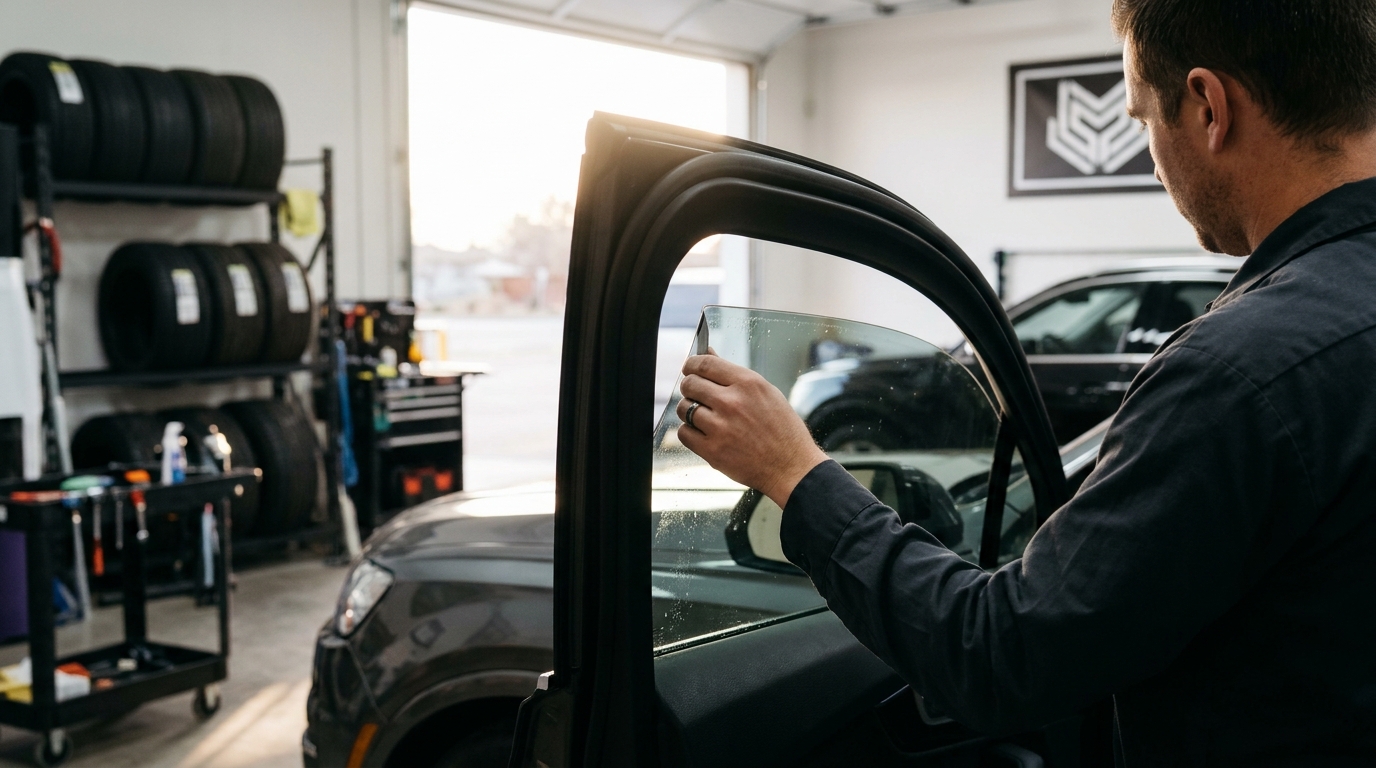
Choosing the wrong film or ignoring Utah's strict tint laws are the most common window tinting errors. These mistakes can lead to failed state inspections, expensive re-tinting, or permanent damage to your vehicle's electronics. Summit Wraps & Graphics helps drivers in Utah County and Salt Lake County avoid these pitfalls by using legal, high-quality ceramic films that protect your investment and keep your vehicle compliant.
Ignoring Utah's Specific VLT Laws
Utah has strict regulations regarding Visible Light Transmission (VLT). A common error is assuming that darker tint is always better or legal. In Utah, front side windows must allow 43% or more light through. Rear side windows and the back window can be any darkness, but the windshield is restricted to non-reflective tint above the AS-1 line or 43% VLT for the full glass. Ignoring these specific limits is a leading cause of failed state safety inspections. If your tint is too dark, you will fail the inspection and be required to remove or replace the film at your own expense. This not only costs you money but also leaves you with a vehicle that is not legally roadworthy. Always verify the exact VLT percentage for your specific vehicle model before installation.
Choosing the Wrong Film Technology
Not all window tint is created equal. A major mistake is selecting dyed or metalized films for modern vehicles equipped with advanced electronics. Metalized films can interfere with GPS, Bluetooth, and satellite radio signals. Dyed films, while affordable, tend to fade and turn purple over time, especially in Utah's intense sun. Ceramic tint is the superior choice because it blocks heat without using metal, ensuring zero signal interference. It also maintains its color and performance for the life of the vehicle. By choosing ceramic film, you avoid the long-term degradation and electronic issues that plague cheaper alternatives. This technology provides the best balance of heat rejection and clarity.
Overlooking the Warranty and Installation Quality
Buying the cheapest tint is a false economy. A common error is focusing solely on the upfront price rather than the warranty and installer expertise. Poor installation leads to bubbling, peeling, and water spots that are often not covered by cheap warranties. Summit Wraps & Graphics offers a lifetime warranty on their tint installations, which reflects confidence in their workmanship. A reputable shop will inspect the glass for existing cracks or chips before applying the film. If the glass is compromised, the film will fail. Always ask for a written warranty that covers both the film material and the labor. This ensures that if any issues arise, you are protected without additional cost.
Forgetting About Heat Rejection vs. Darkness
Many drivers confuse darkness with heat rejection. A dark film does not necessarily block more heat than a lighter one. The key metric is Total Solar Energy Rejection (TSER). Ceramic films can block a significant portion of solar heat while remaining clear and legal. Choosing a dark film solely for aesthetics might leave your cabin hot and uncomfortable. In Utah's summer heat, this is a significant comfort and safety issue. Focus on the heat rejection percentage rather than the shade. This ensures your vehicle stays cool and your air conditioning works efficiently, saving you fuel and wear on the system.
Key Takeaways
- Utah law requires 43% VLT on front side windows and windshields.
- Ceramic film is the best choice for modern vehicles to avoid signal interference.
- Always request a written lifetime warranty that covers both film and labor.
- Heat rejection is more important than darkness for comfort and efficiency.
- Inspect the glass for cracks before installation to prevent film failure.
- Choose a reputable installer with experience in Utah's specific climate and laws.
Frequently Asked Questions
Is it legal to tint the windshield in Utah?
Yes, but only with non-reflective tint above the AS-1 line or 43% VLT for the full windshield. Anything darker is illegal and will fail inspection.
Will window tint interfere with my GPS or Bluetooth?
Only if you use metalized film. Ceramic film is non-metallic and will not interfere with any electronic signals.
How long does window tint last?
High-quality ceramic tint can last the life of the vehicle. Cheaper dyed films may fade or turn purple within a few years.
What is the best tint for heat rejection?
Ceramic tint is the best for heat rejection, blocking a significant portion of solar heat while remaining clear and legal.
Can I tint my rear windows any darkness?
Yes, Utah law allows any darkness on rear side windows and the back window.
What happens if my tint is too dark?
You will fail your state safety inspection and be required to remove or replace the film to make it legal.
Conclusion
Avoiding these common window tinting errors ensures your vehicle remains legal, comfortable, and protected. By choosing the right film technology and a reputable installer, you can enjoy the benefits of tint without the headaches. Summit Wraps & Graphics is ready to help you make the right choice for your vehicle. Get a quote for window tinting today and drive with confidence. Learn more: Get a Vehicle Wrap.