
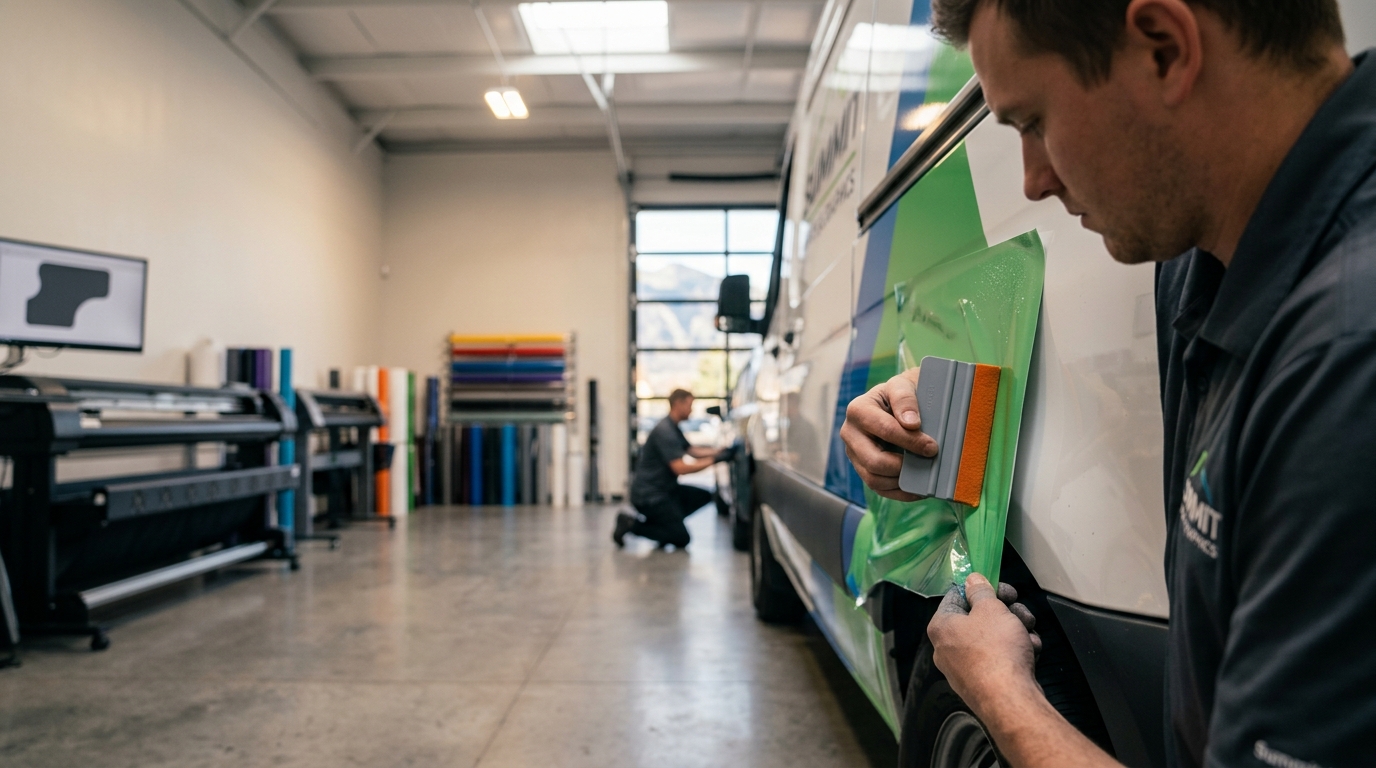
Essential Quality Standards for Professional Vehicle Wrap Installation
A professional vehicle wrap is not merely a sticker applied to a car; it is a complex engineering project that requires precision, specialized materials, and rigorous environmental controls. When executed correctly, a high-quality wrap serves as a durable, high-impact advertising medium that generates up to 70,000 daily impressions per vehicle. However, the difference between a temporary decoration and a long-term brand asset lies in the adherence to strict industry quality standards. These standards govern everything from surface preparation and vinyl selection to installation temperature and post-installation curing. (About Summit Wraps amp)
For business owners in Utah and beyond, understanding these benchmarks is critical. It ensures that the investment in fleet branding yields a return through longevity and visual clarity rather than premature peeling, bubbling, or fading. This guide outlines the definitive criteria that separate professional-grade installations from amateur attempts, providing a clear framework for evaluating service providers and protecting your brand's reputation. (Car Wrap Cost Utah)
The Critical Role of Surface Preparation
The single most common cause of wrap failure is inadequate surface preparation. A professional installer must treat the vehicle's paint as the foundation of the installation. If the substrate is compromised, the vinyl cannot adhere properly, leading to delamination within months rather than years. This process is not optional; it is the first and most vital step in the quality standard. (Fleet Wraps Utah Commercial)
Deep Cleaning and Decontamination
Before any vinyl touches the paint, the vehicle must undergo a multi-stage cleaning process. This begins with a standard wash to remove loose dirt, followed by a clay bar treatment to remove embedded contaminants like brake dust, industrial fallout, and tree sap. These microscopic particles create a barrier between the paint and the adhesive, preventing a bond. According to industry data from the Outdoor Advertising Association of America, the effectiveness of vehicle advertising relies on the visual integrity of the wrap, which is directly compromised by poor adhesion.
Paint Correction and Inspection
Professional standards dictate that the installer inspects the paint for existing damage. Deep scratches, rust, or peeling clear coat must be addressed before wrapping. In many cases, a light paint correction or polishing is performed to ensure the surface is smooth. Wrapping over rough or damaged paint will cause the vinyl to conform to the imperfections, resulting in a visible "telegraphing" effect that ruins the aesthetic. This step ensures that the wrap looks flawless and protects the underlying paint from further degradation.
Material Specifications and Vinyl Grades
Not all vinyl is created equal. The quality of the final product is heavily dependent on the grade of material used. Professional installers exclusively use cast vinyl, not calendered vinyl, for full and partial wraps. Cast vinyl is manufactured by pouring a liquid PVC mixture onto a casting sheet, resulting in a material that is thinner, more conformable, and more durable than calendered alternatives.
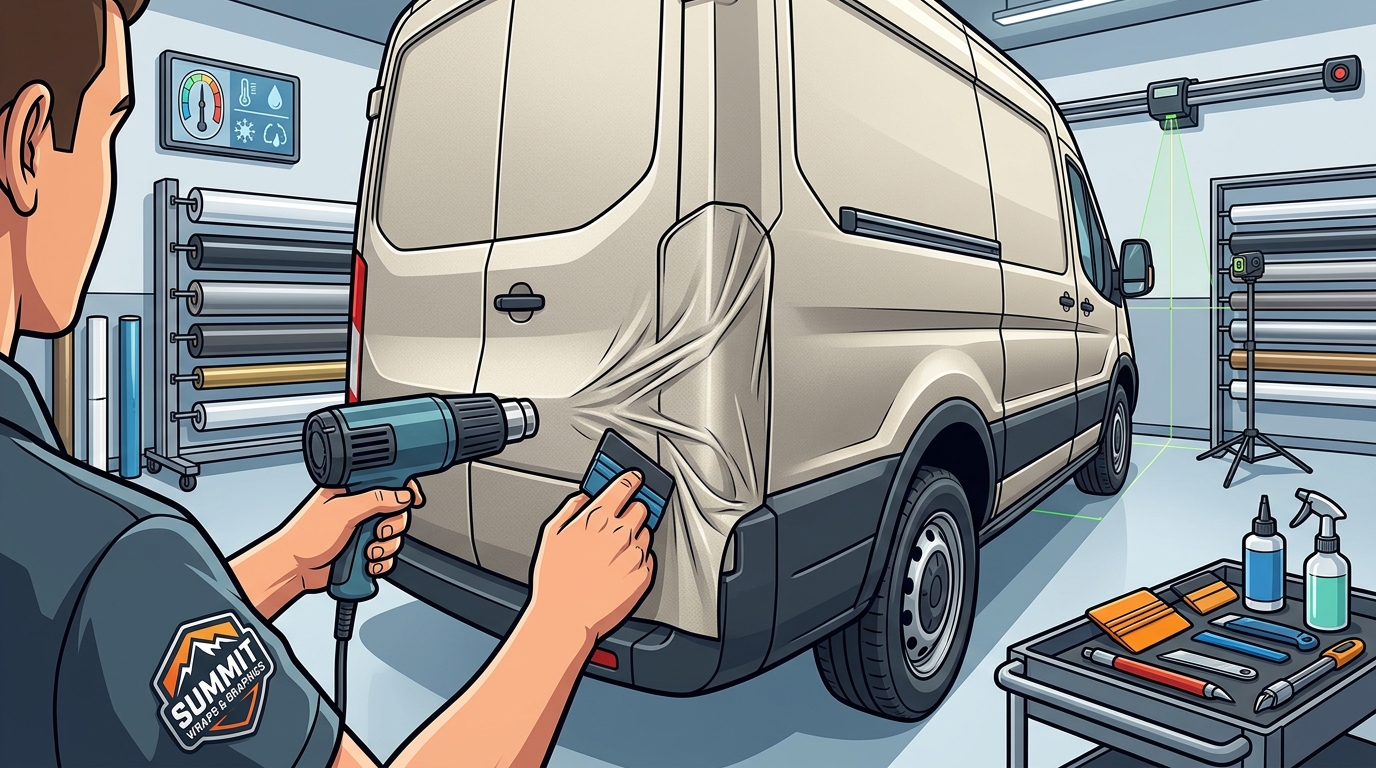
Cast Vinyl vs. Calendered Vinyl
Cast vinyl is engineered to stretch and shrink evenly, allowing it to conform to complex curves, recesses, and body lines without lifting. Calendered vinyl, often used for flat surfaces like wall murals or short-term decals, is thicker and less flexible. When applied to a vehicle, calendered vinyl tends to shrink over time, pulling at the edges and causing the wrap to fail. For a commercial fleet or personal vehicle, using cast vinyl is a non-negotiable quality standard.
Industry-Leading Brands
Top-tier installers partner with established manufacturers such as 3M and Avery Dennison. These brands offer specific product lines designed for automotive applications, such as 3M's 1080 or 1080 Plus series, and Avery Dennison's Supreme Series. These materials come with documented performance metrics regarding UV resistance, adhesive longevity, and removability. Using unbranded or generic vinyl introduces significant risk, as the adhesive chemistry may be unstable, leading to glue residue or premature fading.
Installation Environment and Temperature Control
Vehicle wrap installation is a climate-controlled craft. The environment in which the wrap is applied significantly impacts the adhesive's ability to bond correctly. Professional shops operate in dedicated, climate-controlled bays to maintain consistent temperature and humidity levels. This control is essential for ensuring the vinyl behaves predictably during stretching and positioning.
Optimal Temperature Ranges
The ideal installation temperature for most automotive vinyls is between 65°F and 80°F (18°C to 27°C). If the environment is too cold, the vinyl becomes stiff and difficult to stretch, leading to cracking or poor adhesion. If it is too hot, the adhesive can become too aggressive, making it difficult to reposition the material without damaging the paint or leaving residue. Installers must monitor the ambient temperature and the surface temperature of the vehicle throughout the process.
Humidity and Dust Control
Dust is the enemy of a professional wrap. Even a single speck of dust trapped under the vinyl will create a visible bump that cannot be removed without cutting out the vinyl. Professional shops use air filtration systems and positive pressure environments to minimize airborne particles. Additionally, humidity control prevents static buildup, which attracts dust and makes the vinyl harder to handle. This level of environmental control is a hallmark of a high-quality installation facility.
Edge Sealing and Heat Application Techniques
The durability of a wrap is largely determined by how the edges are sealed. Unsealed edges are vulnerable to lifting from wind, car washes, and debris. Professional installers use precise heat application techniques to activate the adhesive and seal the edges securely.
Heat Gun Mastery
Installers use professional-grade heat guns to warm the vinyl as it is applied. This heat makes the vinyl more pliable, allowing it to stretch around curves and recesses. More importantly, heat activates the pressure-sensitive adhesive, creating a stronger bond. The installer must move the heat gun constantly to avoid overheating and damaging the vinyl or the paint. This technique requires years of experience to master, ensuring that the wrap conforms perfectly to the vehicle's body lines.
Edge Sealing Process
Once the vinyl is positioned, the installer uses a squeegee and heat to seal the edges. This process involves pressing the vinyl firmly against the paint while applying heat to melt the adhesive slightly, creating a waterproof seal. For complex edges, such as those around door handles or mirrors, installers may use specialized tools to tuck the vinyl into gaps, ensuring a seamless finish. This attention to detail prevents water from getting underneath the wrap, which can cause bubbling and mold growth.
Warranty Standards and Longevity Metrics
A key indicator of a professional installation is the warranty provided. Reputable companies stand behind their work with comprehensive warranties that cover both the material and the labor. These warranties are not just marketing tools; they reflect the confidence the installer has in their quality standards.
Material vs. Installation Warranty
Material warranties from brands like 3M and Avery Dennison typically last between 5 to 7 years, covering fading, cracking, and delamination. However, this warranty only applies if the vinyl is installed by a certified professional. Installation warranties from the shop itself usually range from 1 to 3 years, covering issues like bubbling, peeling, or adhesive failure. A professional installer will clearly explain the terms of both warranties, ensuring the client understands what is covered and what is not.
Longevity Expectations
When installed correctly and maintained properly, a high-quality vehicle wrap can last between 5 to 7 years. This longevity is dependent on several factors, including exposure to sunlight, driving conditions, and washing habits. Wraps parked in garages and washed regularly will last longer than those exposed to constant UV radiation and harsh weather. Understanding these metrics helps clients set realistic expectations for their investment.
Quality Assurance Checklist for Clients
For business owners evaluating potential wrap providers, use this checklist to assess their adherence to quality standards. This framework helps identify red flags and ensures you are partnering with a professional shop.
| Quality Standard | Professional Benchmark | Red Flag |
|---|---|---|
| Surface Preparation | Clay bar treatment and paint inspection included | No mention of prep; direct application to dirty paint |
| Vinyl Brand | 3M, Avery Dennison, or Oracal certified | Unbranded or generic vinyl used |
| Installation Environment | Climate-controlled, dust-free bay | Installation in a garage or outdoor lot |
| Edge Sealing | Heat-sealed edges, tucked into gaps | Exposed edges, no heat application visible |
| Warranty | Written warranty for material and labor | No warranty or verbal promises only |
Key Takeaways
- Surface Prep is Paramount: Without clay barring and paint correction, even the best vinyl will fail prematurely.
- Cast Vinyl Only: Professional installations require cast vinyl for its conformability and durability on complex curves.
- Climate Control Matters: Installation must occur in a temperature-controlled, dust-free environment to ensure proper adhesion.
- Heat Application is Critical: Proper heat sealing of edges prevents lifting and water intrusion, extending the wrap's lifespan.
- Warranty Protection: Always require a written warranty covering both material and labor to protect your investment.
- Brand Reputation: Choose installers who use industry-leading brands like 3M or Avery Dennison for guaranteed performance.
- Long-Term Value: A professionally installed wrap can last 5-7 years, offering a lower cost-per-impression than traditional advertising.
Frequently Asked Questions
How long does a professional vehicle wrap last?
A high-quality vehicle wrap installed by a professional typically lasts between 5 to 7 years. This lifespan depends on the quality of the vinyl, the installation environment, and how well the vehicle is maintained. Regular washing and parking in a garage can extend the life of the wrap significantly.
Can a vehicle wrap damage the original paint?
No, a properly installed and removed vehicle wrap will not damage the original paint. In fact, the wrap acts as a protective layer, shielding the paint from UV rays, road debris, and minor scratches. When removed by a professional, the paint underneath is often in better condition than when the wrap was applied.
Why is surface preparation so important for vehicle wraps?
Surface preparation ensures that the vinyl adhesive bonds directly to the paint, not to dirt or contaminants. Without proper cleaning and clay barring, trapped particles can cause bubbles and peeling, leading to premature failure of the wrap. It is the foundation of a durable installation.
What is the difference between cast and calendered vinyl?
Cast vinyl is thinner, more flexible, and more durable, making it ideal for vehicle wraps. It conforms well to curves and recesses. Calendered vinyl is thicker and less flexible, suitable for flat surfaces but prone to shrinking and lifting on vehicles. Professional installers use cast vinyl for all vehicle applications.
Do you need to wrap in a climate-controlled environment?
Yes, professional installation requires a climate-controlled environment. Temperature and humidity affect the vinyl's flexibility and the adhesive's performance. Installing in a dusty or uncontrolled environment can lead to poor adhesion, bubbles, and visible imperfections.
How do I maintain my vehicle wrap?
Maintain your wrap by washing it regularly with mild soap and water. Avoid high-pressure washes directly on the edges, and do not use abrasive cleaners or wax containing petroleum distillates. Parking in a garage or using a car cover can also protect the wrap from UV damage and debris.
What warranty should I expect from a professional installer?
You should expect a written warranty that covers both the material and the labor. Material warranties from brands like 3M or Avery Dennison typically last 5-7 years, while installation warranties from the shop usually range from 1-3 years. This coverage protects against bubbling, peeling, and fading.
Get Your Professional Wrap Quote
Ready to elevate your brand with a high-quality vehicle wrap? Summit Wraps & Graphics in Lehi, Utah, adheres to the strictest industry standards to ensure your investment lasts. From surface preparation to climate-controlled installation, we deliver professional results that protect your paint and amplify your message. Contact us today to schedule your free consultation and see the difference quality makes.